
Practical thinking on practice economics, healthcare operations, transactions, and medical-legal advisory, written by Merquity's founders.
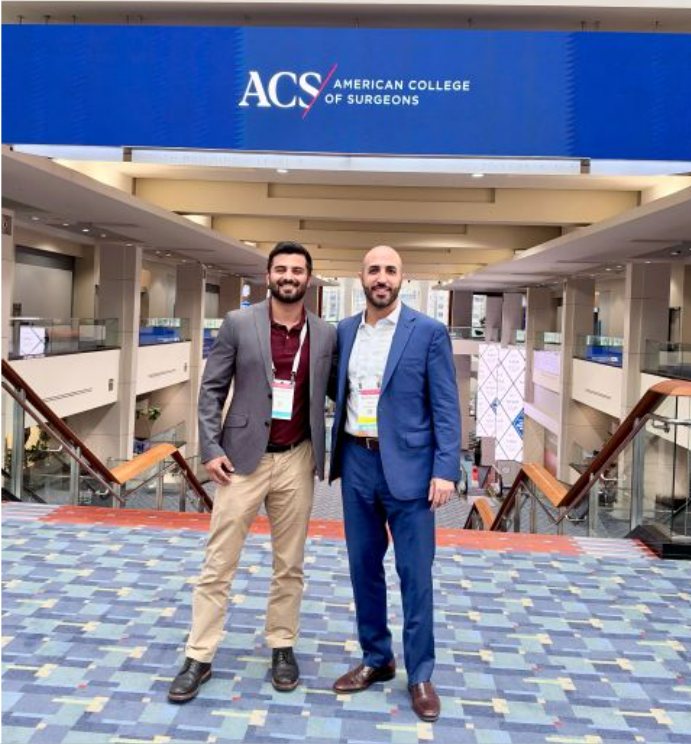
At the American College of Surgeons Clinical Congress in Washington, D.C., one theme stood out: surgeons want greater autonomy, but building and running an independent practice has become increasingly difficult. For physicians who want to remain independent, clinical excellence alone is no longer enough.
Success increasingly requires reducing administrative burden through technology and AI, disciplined financial planning, stronger payer strategy, and business models that lower overhead and create scale without giving up control. We help physicians evaluate shared services, strategic partnerships, consolidations, and capital structures that strengthen their practices while preserving autonomy and ownership.
How we help independent practices →The financials matter, but most deals stall, or lose value, over things buyers find in operations, not the P&L. Here's what we look for first.
A buyer who understands the clinic floor asks different questions than one who only reads the balance sheet. Both matter, only one catches what the other misses.
Before you talk to a single buyer, these are the questions that determine whether you're negotiating from strength or from behind.
When inquiries don't turn into appointments, the problem usually isn't demand, it's the handful of steps between interest and a confirmed booking.
Growth gets the attention, but for most owner-operated practices the fastest path to a higher valuation is already inside the business.
Licensure, specialty match, and active-practice requirements vary widely by state. A plain-language guide to how courts actually decide.
Want the full version of any of these, or to talk through how it applies to your situation? Get in touch, full articles are being published here over the coming weeks.